
In the fall of 2020, during the stress of the looming election, I realized I could barely feel my feet. At the same time, I started fumbling when typing and my hands tingled constantly. Imagine wearing socks and gloves that caused numbness, tingling, and occasional icy-hot pain. What had been occasional numbness had all of a sudden gotten scary.
A quick Google search led me to diagnose myself with MS, so I called my primary care doctor. She ordered a brain MRI and five vials’ worth of blood tests. Fortunately, the MRI showed that I didn’t have any sign of MS. I did have a small white spot in the frontal lobe, something that falls into the “as we get older” category of benign ailments, and a blocked sinus cavity. Otherwise, I got a clean bill of brain health.
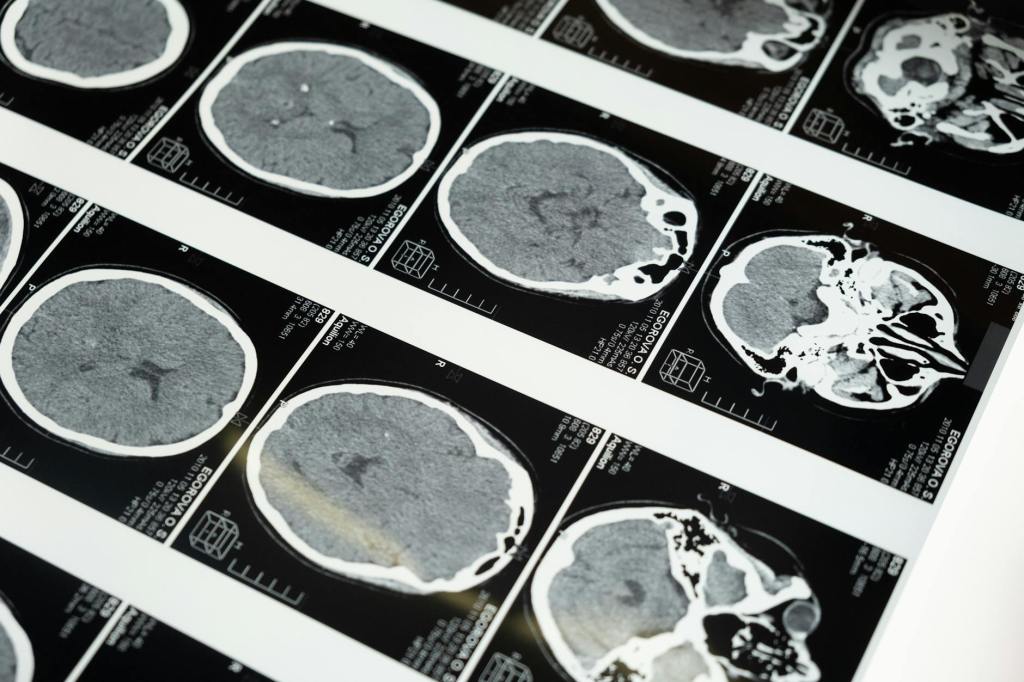
The neurologist I was referred to at St. Thomas Ascension diagnosed me with idiopathic peripheral neuropathy. “Idiopathic” is doctor talk for “we have no fucking idea why you have this.” He gave me no advice on how to make it better, told me it was just something I’ll have to live with, said that when the pain eventually gets bad he can prescribe painkillers and a walker, and ordered a follow-up MRI in 6 months.
In the meantime, I Googled my diagnosis and followed advice from strangers on the internet to start taking B12 and alpha lipoic acid tablets daily. After about a month or so, the tingling, numbness, and pain started to subside and I felt much better. My fingers were no longer fumbling on the keyboard and I could feel my feet. I decided that my neuropathy was caused by low B12, combined with very low D (which I had also started supplementing).
Six months later, a day or two after my follow-up MRI, I got an email saying the results of my test were available. My follow-up appointment with the neurologist was not for another few days, and naturally I was curious, so I went to the hospital’s portal and opened the report. The good news, the radiologist reported, was that nothing had changed in my brain. The small flare in the frontal lobe was exactly the same size. The blocked sinus was still blocked. And the meningioma had not grown significantly since the last scan.
Wait, what? WTF is a meningioma?
Apparently, the first radiologist completely missed the small tumor lurking quietly in the center of my head. The second radiologist saw the tumor and compared measurements with the images from six months before. He was happy to report no changes.
I immediately Googled and spent an hour or two immersed in the dark world of brain tumors. While usually referred to as brain tumors, meningiomas live on the lining of the brain cavity, not on the brain itself. They cause damage by growing large and pressing on things like nerves and blood vessels. I learned that most people find out they have a meningioma in one of two ways: either they start to have symptoms like headaches, seizures, or vision loss, or it’s picked up in an MRI that was looking for something else, like mine. I was definitely lucky it was caught early, before it started doing any damage. I also learned that meningiomas grow slowly and are nearly always benign. Good news, indeed.
At my follow-up appointment with the neurologist – we’ll call him Dr. Idiot – I realized that he never read past the first line of the radiologist’s report. I had to tell him that I had a brain tumor. He stuttered and mumbled something about it being small and I may not have any symptoms for 10 years, totally downplaying my concerns. Needless to say, he lost my business. I scheduled my next appointment with one of the top neurologists at our local world-class teaching hospital, Vanderbilt.


 Just Breathe
Leave a comment